
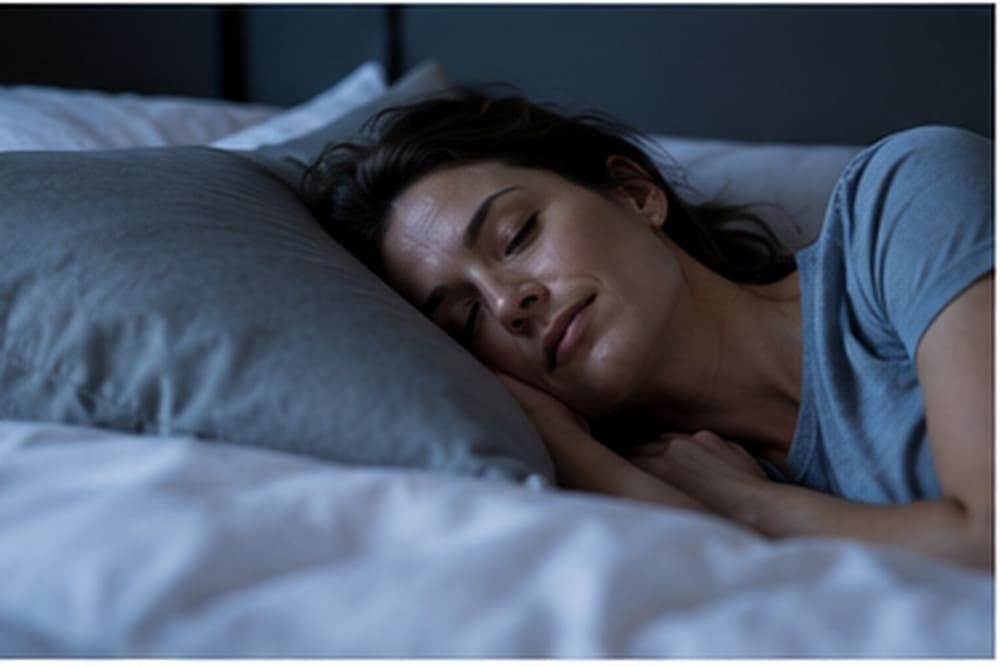
The glymphatic system clears the brain during sleep
The brain continuously produces metabolic waste that the classic lymphatic system does not drain. The glymphatic system is a network of perivascular channels in which cerebrospinal fluid circulates. That fluid enters along the arteries, crosses the parenchyma and joins the venous spaces. It thus helps remove part of the solutes from nervous tissue.
How this system works depends on the state of wakefulness and sleep. During deep slow-wave sleep, the cerebral interstitial volume increases and resistance to flow decreases. That opening makes it easier for fluid to enter the parenchyma. Measurements in animals show increased clearance of several metabolites. The brain therefore uses specific periods.
Caution is needed about extrapolating to humans. Most mechanistic data come from animal models and invasive techniques. In humans, studies rely on imaging and fluid biomarkers. These indirect approaches do not measure brain clearance at the molecular scale.
Glymphatic activity rises during deep sleep
The link between deep sleep and brain clearance rests on convergent work. In rats, lactate clearance increases strongly during sleep compared with wakefulness. Human imaging studies suggest a similar dynamic, with more limited resolution. Conditions that fragment the night reduce cumulative deep sleep time.
Epidemiological data support this link without proving it directly. Chronic sleep deprivation is associated with attention and memory problems. Large cohorts observe an association between poor sleep and cognitive decline. That association may also be explained by inflammation or apnea.
The natural evolution of sleep with age gradually narrows this window. After 50, the share of deep sleep falls and the night fragments more. Night pain, the urge to urinate, apnea and medication all weigh on sleep architecture. Correcting an identified disorder remains the best documented intervention.

Human data on waste clearance remain indirect
The level of evidence calls for scientific honesty about what is actually established. Animal studies robustly show increased clearance during sleep. In humans, the evidence remains consistent but indirect. Work relies on imaging and on transport models. No controlled study has shown that an intervention increased this clearance with a clinical benefit.
Some popular recommendations lack solid grounding in humans. The lateral position is put forward from preliminary work in rodents. No supplement or commercial device has shown a clinically relevant increase in clearance. A high price and a clear promise do not constitute a level of evidence.
The scientific interest of the topic remains considerable and the field is moving fast. Advances in human imaging will probably quantify this process in the coming years. Until then, the rigorous course is to separate established, probable and speculative. Every recommendation should carry its level of evidence.
Sleep hygiene is the most robust documented lever
Practical levers for protecting sleep rest first on sleep hygiene. Regular timing is the most robust lever. Bedtime and wake time that stay close stabilize the circadian rhythm. Exposure to natural light in the morning advances that rhythm. Darkness and a cool bedroom maintain it at night. Limiting screens in the evening makes falling asleep easier.
Physical activity acts upstream on sleep architecture. Regular practice often increases the share of deep sleep. Exercise is better in the morning, since late intense effort delays falling asleep. A light meal, taken two to three hours before bedtime, reduces nighttime reflux.
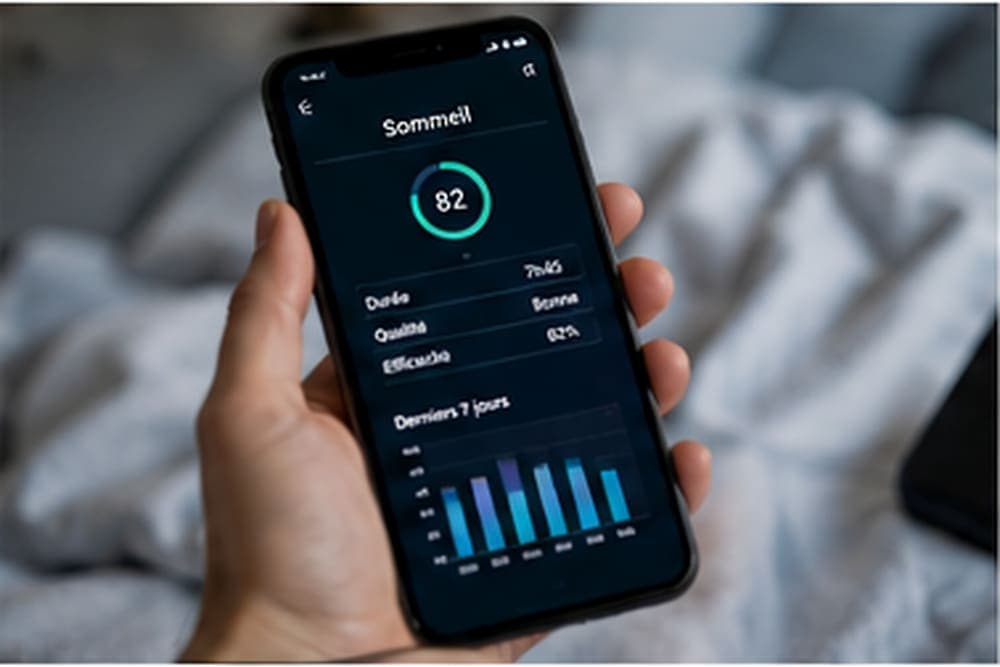
Connected devices give a useful signal on the duration and continuity of nights. They do not measure deep sleep, which requires polygraphic recording. A sleep diary, kept for a few weeks, is more telling than an estimate from memory. Daytime hypersomnolence with severe snoring justifies medical advice.
| Factor | Effect on sleep | Type of intervention |
|---|---|---|
| Regular timing | Stabilizes the circadian rhythm | Sleep hygiene |
| Natural light in the morning | Advances the circadian rhythm | Accessible, no cost |
| Physical activity | Improves duration and slow-wave sleep | Exercise suited to age |
| Light evening meal | Reduces reflux and awakenings | Dietary adjustment |
| Cool, dark bedroom | Helps falling asleep | Bedroom setup |
| Sleep apnea | Strongly fragments sleep | Specialist medical assessment |
| Night pain | Reduces deep slow-wave sleep | Targeted clinical management |
Factors influencing sleep and type of intervention

Side sleeping and other brain-cleaning promises are not validated in humans
The lateral position is regularly presented as a way to speed up brain cleaning. That recommendation comes from work in rodents, where lying on the side accompanies faster cerebrospinal fluid flow. Human data do not allow that effect to be confirmed. No official recommendation retains sleep position as a lever for clearance.
Other brain-cleaning promises circulate outside published data. Supplements dedicated to brain detoxification rest on no randomized trial. Devices sold as aids to sleep drainage have undergone no clinical evaluation. A wrist sensor does not assess sleep stages with the precision of a polygraph. Asking how a device measures remains the best reflex.
What research actually establishes comes down to three useful findings. Long, regular sleep supports memory consolidation. Experimental deprivation produces measurable cognitive decline within a few days. The link between sleep disorders and dementia is closely studied, but causality remains debated.
Sleep history guides the assessment and avoids false promises
Sleep history follows a simple, reproducible, fast structure. It asks about timing, duration, time to fall asleep and the number of awakenings. It then looks for specific signs: snoring, breathing pauses, nighttime chewing, heavy legs. Current treatments, psychiatric drugs or diuretics, are recorded with their timing.
This history leads to a decision, not to a sleep hygiene prescription. Three outcomes are possible: a disorder to explore, hygiene measures to correct, or a specialist referral. Snoring with breathing pauses and daytime sleepiness justifies a sleep study. Night pain or the urge to urinate first calls for treating their cause. Ongoing treatment for insomnia changes how the whole picture is read.
Follow-up relies on stable indicators rather than occasional impressions. A diary kept for three to four weeks shows regularities that no estimate reveals. An annual review is enough to follow a person without sleep difficulty. A lasting worsening justifies repeating the full history.
Sources
- 1.Iliff JJ, et al. A paravascular pathway facilitates CSF flow through the brain parenchyma and the clearance of interstitial solutes. Sci Transl Med. 2012.
- 2.Xie L, et al. Sleep drives metabolite clearance from the adult brain. Science. 2013.
- 3.Rasmussen MK, Mestre H, Nedergaard M. The glymphatic pathway in neurological disorders. Lancet Neurol. 2018.
- 4.Nedergaard M, Goldman SA. Glymphatic failure as a final common pathway to dementia. Science. 2020.
- 5.Jiang-Xie LF, et al. Waste clearance shapes aging brain health. Neuron. 2025.
- 6.Mestre H, et al. The brain glymphatic system: current controversies. Trends Neurosci. 2020.
- 7.Rasmussen MK, et al. Fluid transport in the brain. Physiol Rev. 2022.
Reading studies is one thing, turning them into a plan is another
The Longevity Practitioner certification teaches the method that turns this kind of data into an accompaniment decision: assess, prioritise, plan over 90 days, re-measure, and know when to hand over.
11 modules, €2,200. Enrol
Continue reading
Benjamin Sant
Co-founder of the School of Longevity
Cofounder of the School of Longevity with Tristan Maruyama. A former officer trained at Saint-Cyr from 2019 to 2022 and a coach since 2018, he has supported more than 4,000 people. He leads the School's editorial content with one constant principle: pass on only what can be situated, verified and applied seriously.
This article is published for information and education. It does not replace medical advice. For any personal health question, consult a healthcare professional.