
Core programme
Longevity Practitioner
The core programme: learn to assess a profile, prioritise the levers of sleep, nutrition and movement, and build a 90-day plan.
Explore the programme
A school for professionals already in practice: naturopaths, health and sports coaches, nutrition practitioners, allied health professionals.
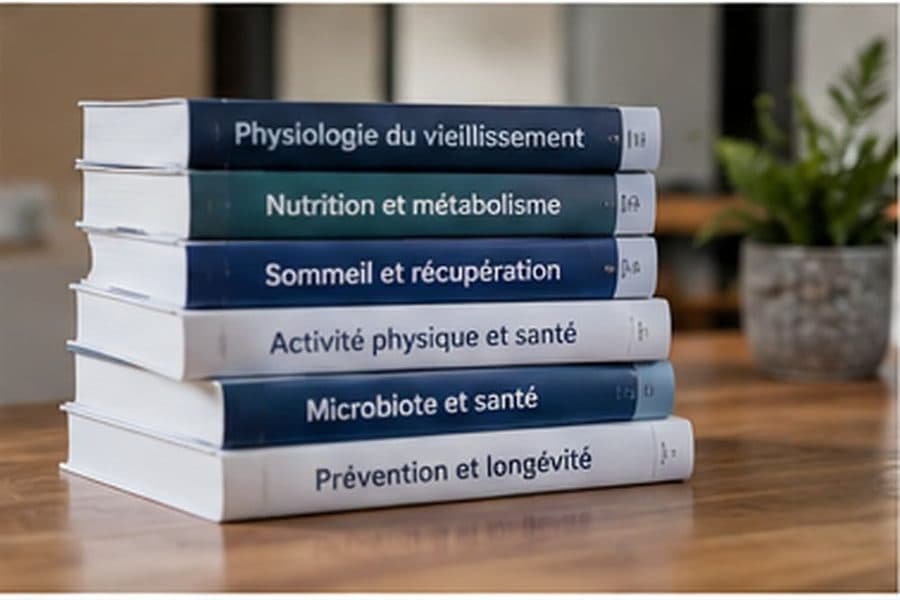
The School’s analyses cite
Core programme
The core programme: learn to assess a profile, prioritise the levers of sleep, nutrition and movement, and build a 90-day plan.
Explore the programme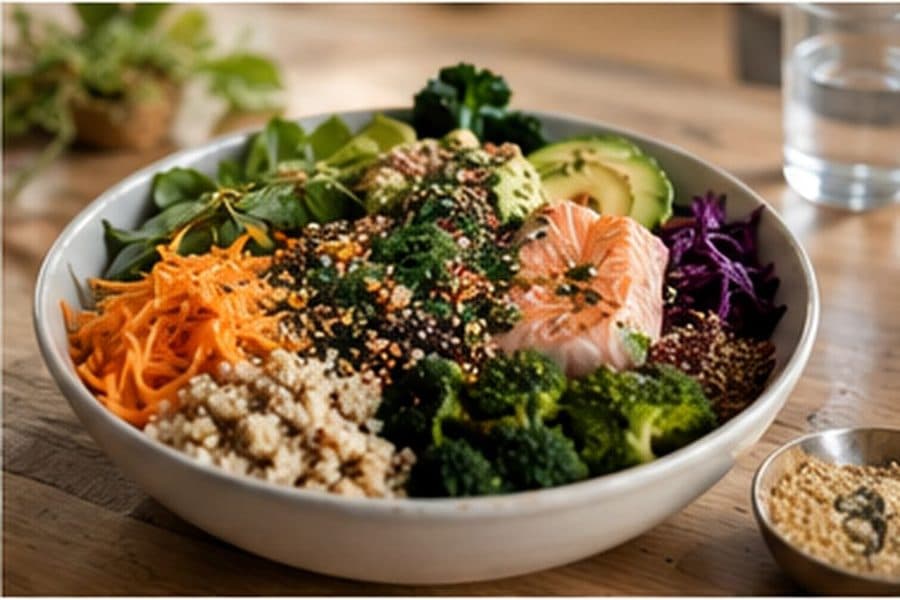
Specialisation
Go deeper into the links between food, metabolic health and ageing, with precise protocols that go beyond basic advice.
See the specialisation
Specialisation
Sleep assessment, chronobiology and recovery: the measurable levers for people under pressure.
See the specialisation
People now arrive with their lab results, their wearables, their own research, their supplements, and their questions about sleep, hormones, the microbiome or longevity.
The problem is no longer knowing more. It is knowing what to keep from what they bring, where to start when everything seems to need correcting, and when the situation is no longer yours to handle.
Knowing many things and knowing in what order to use them are two different jobs.
Professors of medicine, researchers, field practitioners: each teaches what they practise every day. You leave with protocols you can use in your next session.
Mental, adhésion et cadre du praticien
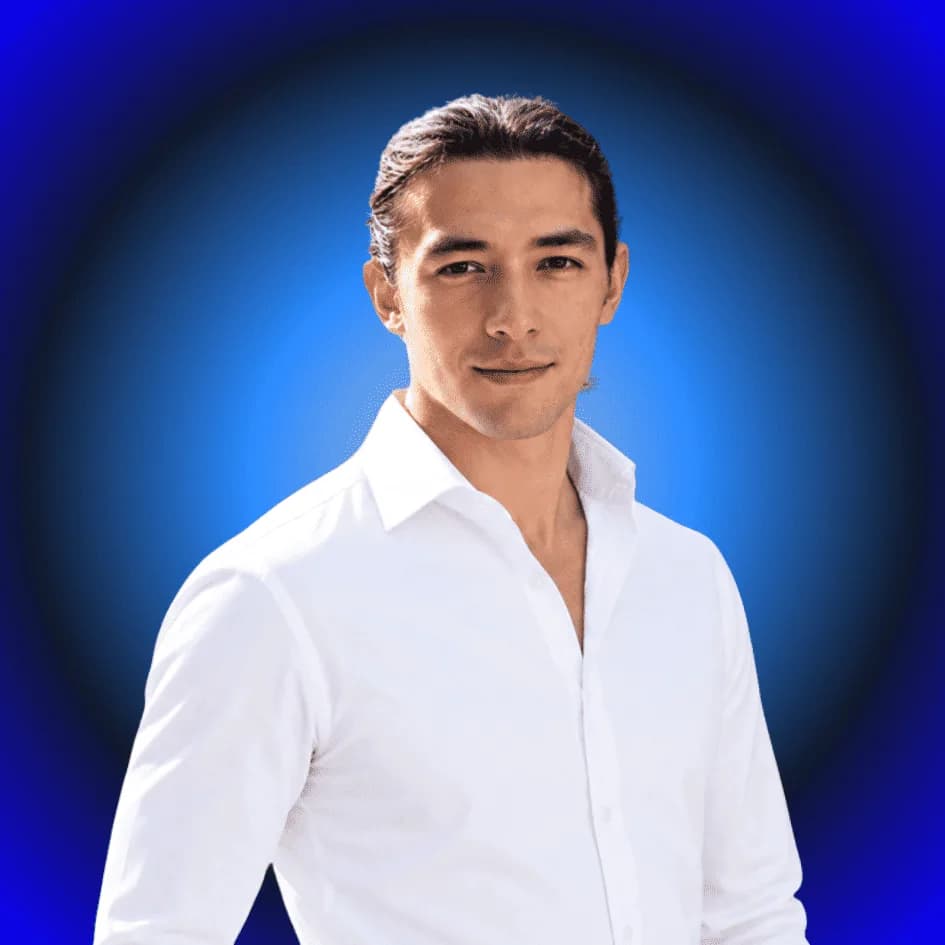
Architecture pédagogique et protocoles
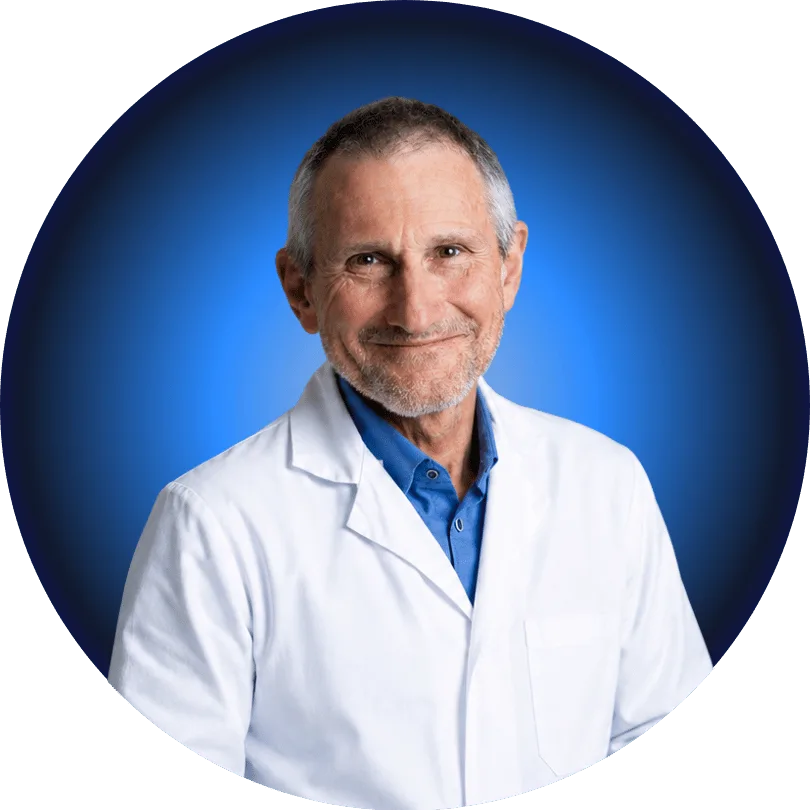
Cardiologie du sport et prévention
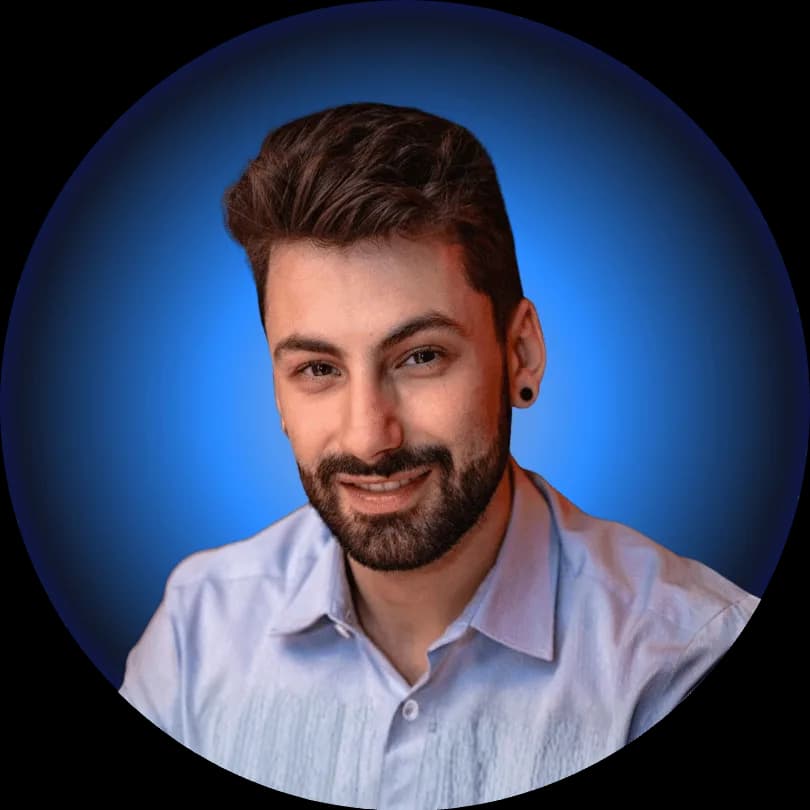
Sommeil et récupération
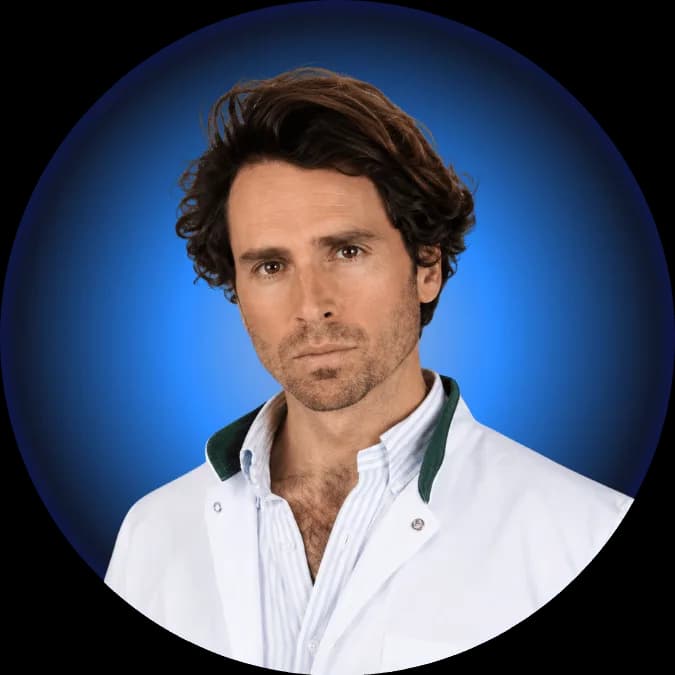
Micronutrition et lecture biologique

Respiration et performance
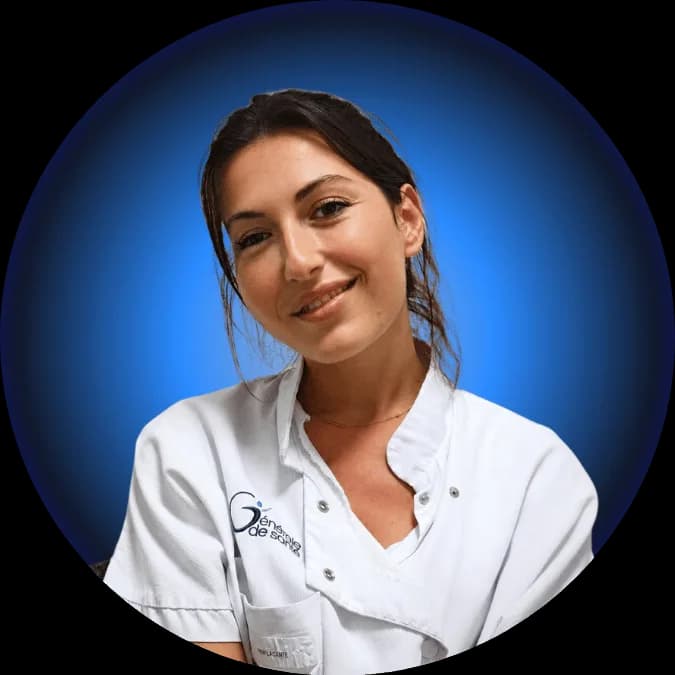
Respiration nasale et fonction oro-faciale
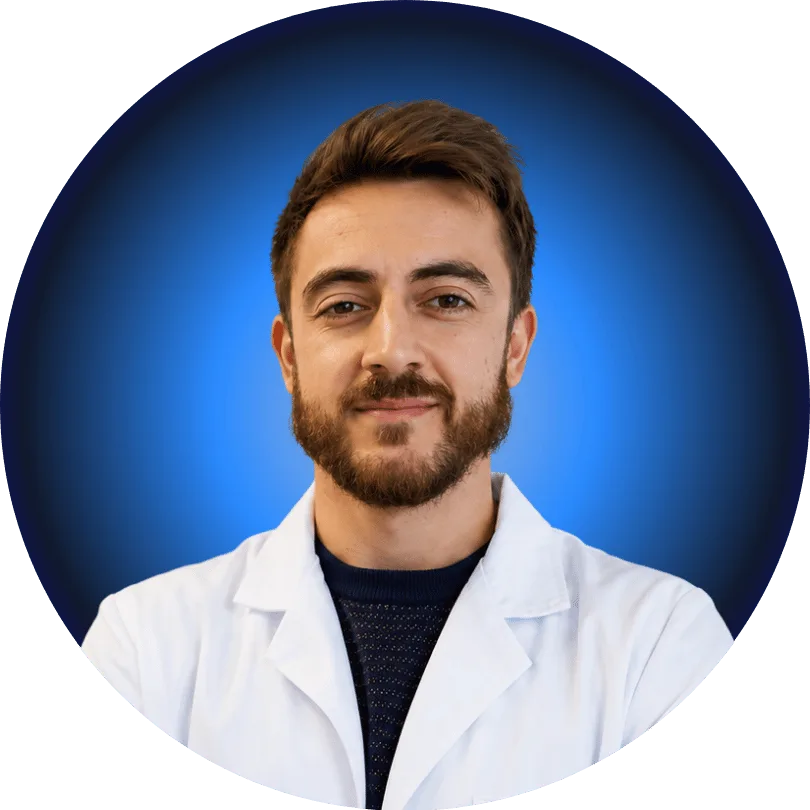
Microbiote intestinal
Architecture et lieux de vie
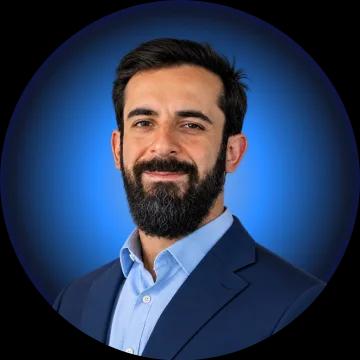
Composition corporelle
This is the order taught in the certification, and it is the same for every person you will see.
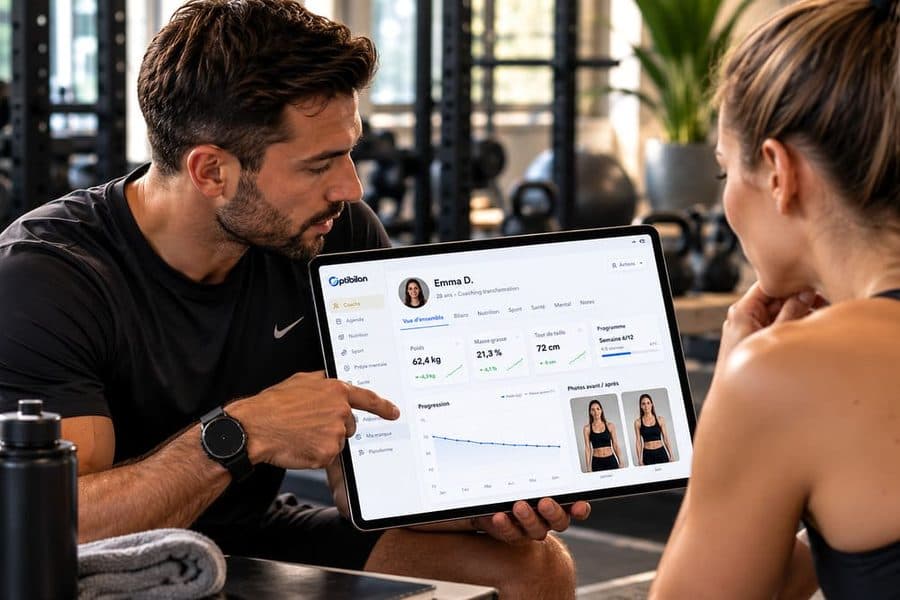
Know where the person starts before advising anything: a one-hour longevity intake on a template, four vitality tests that need only a stopwatch, and a reading of the labs they already bring.
Find the 20% of actions that produce 80% of the results. Cross the tests, the labs and the person’s goals, then start with the easiest lever: an early win builds momentum.
Connect nutrition, physical activity, sleep, breathing and stress in one protocol, fitted to their schedule, family, work and budget. They leave with a written document, not verbal advice.
Knowledge does not change a habit by itself. Follow-up sessions at your pace, spotting the dip in motivation before it becomes a dropout, and work on beliefs, obstacles and the people around them.
Run the same tests again so the person sees progress in black and white. Keep what holds, simplify the rest, add one lever. And when a result is out of range, you write to the physician.

Collect the useful information without turning the interview into a medical interrogation.
Measure strength, breathing, mobility and body composition with tests that give the same result three months later.

Know what a marker says, what it adds, and recognise the result that calls for a physician referral.
Choose one or two actions to begin with, instead of ten changes nobody keeps.

Turn the assessment into a written plan: what to do, on which day, and how you will know it works.

Run the same tests after 90 days, keep what moved, correct the rest.
You already have the pieces: nutrition, movement, sleep, recovery. What you are missing is the order in which to assemble them for a real person. The Longevity Practitioner certification gives you that order, from the first assessment to follow-up.
Before you decide, read. The 5 guides, the 37 analyses and their 315 cited studies are free to read, as is the longevity glossary. On the profession itself, becoming a longevity practitioner sets out the legal boundaries in France.