
A man runs on a hillside trail with a backpack, the sea below

Resources

Longevity analyses

One topic at a time, the studies that answer it, and what they do not allow us to conclude. Each analysis gives its sources, its level of evidence and its limits.

Looking for a definition? The glossary covers the vocabulary. Want the big picture? Start with the guides.

All analyses

  • Assessment consultation, structured collection of information

    Prevention and biomarkers

    Vitamin B12: the deficiency signs the studies really confirm

    Between anemia, neurological disorders and fatigue, vitamin B12 deficiency covers very different pictures. Here is what clinical trials establish about its screening, its symptoms and the forms of supplementation that work.

    11 November 2026 · 5 min
  • Strength work and muscle mass

    Nutrition

    Vitamin B12 in food: real sources and the limits of plant options

    Vitamin B12 comes naturally only from animal products. Plant sources exist, but their bioavailability and their dosage raise precise questions. A review of the established data on foods rich in vitamin B12, for practitioners who need to answer concretely.

    4 November 2026 · 5 min

  • Professional interview about a complaint of persistent fatigue

    Prevention and biomarkers

    High cortisol and adrenal fatigue: the truth about the tests

    Cortisol has become the universal explanation for fatigue, and its salivary measurement is sold as a kit. A systematic review of 58 studies looked at whether these tests supported the concept of adrenal fatigue. The answer is no, and the reason lies as much in the measurement method as in the hypothesis itself.

    30 October 2026 · 5 min

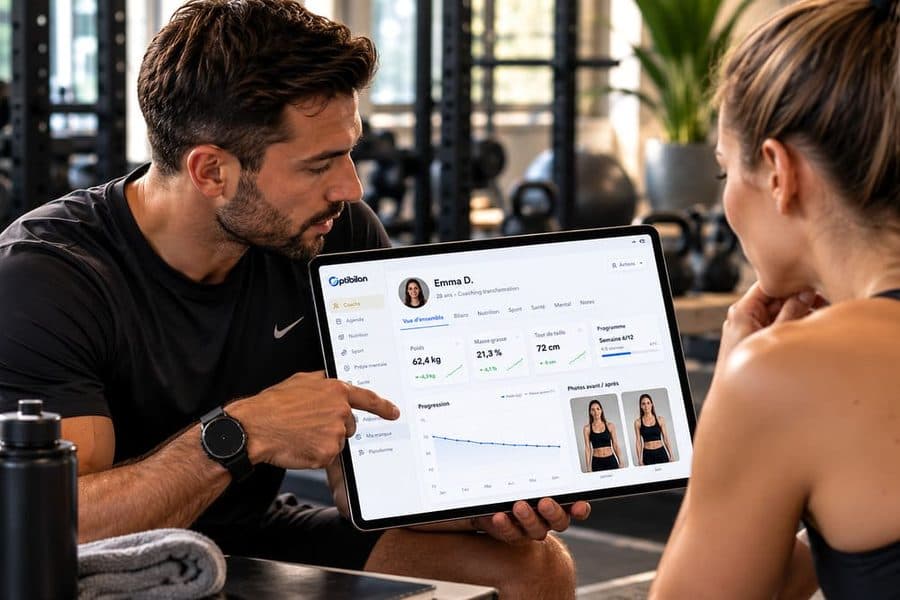
  • Consultation around sleep data displayed on a tablet

    Sleep and chronobiology

    Deep sleep duration: what the watch measures, and what the number is worth

    A person arrives with a number: 42 minutes of deep sleep last night, against 1 hour 20 the week before. Before drawing anything from it, you need to know where that number comes from. Eleven consumer devices compared with a sleep examination give agreement ranging from near chance to acceptable, depending on the model.

    30 October 2026 · 5 min

  • Strength and muscle mass work in an adult

    Exercise and movement

    Grip strength: the marker that predicts better than blood pressure

    A hand dynamometer costs less than a blood draw and takes three minutes. In the PURE study, conducted on 139,691 people from 17 countries, grip strength predicts all cause mortality and cardiovascular mortality better than systolic blood pressure. The remaining question is how to measure it and how to read it.

    30 October 2026 · 5 min

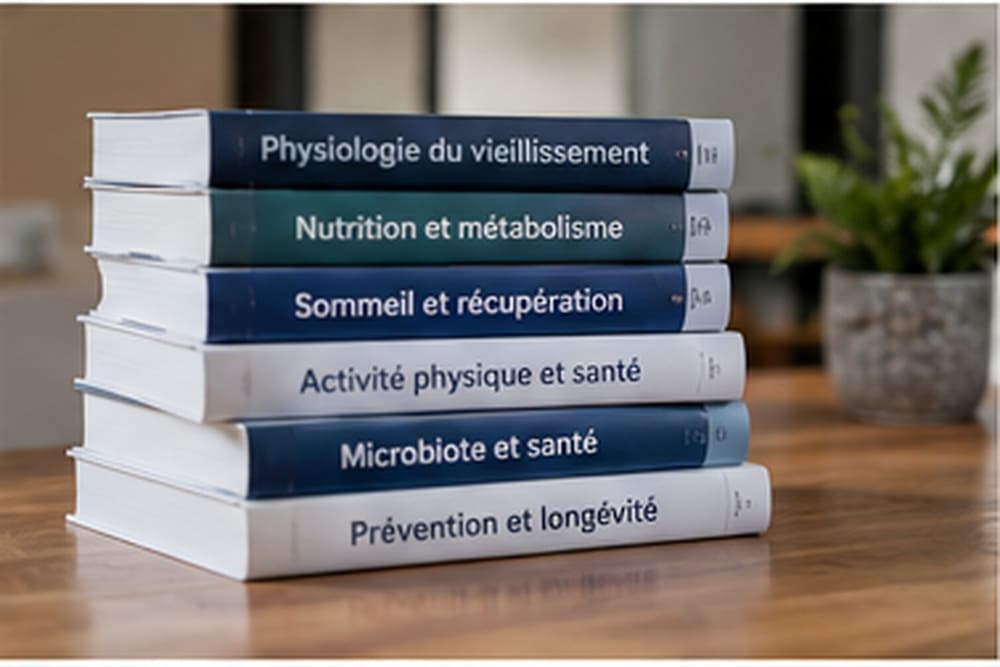
  • Practitioner consulting her notes and micronutrition reference books

    Nutrition

    Magnesium bisglycinate: the effect of the form, and the effect of supplementation

    Bisglycinate has established itself as the form you are supposed to take, and magnesium as the answer to stress, cramps and sleep. Trials say something else: the only well documented difference in form sets oxide apart from the rest, and on cramps a Cochrane review concludes there is no effect.

    30 October 2026 · 5 min

  • Bedroom in dim light, conditions for restorative sleep

    Sleep and chronobiology

    Melatonin: seven minutes faster to sleep, and a labeling problem

    The reference meta-analysis covers 19 trials and 1,683 participants. The gain in sleep onset is 7 minutes, the gain in total sleep time 8 minutes. These are real, small effects, set against another number: across 31 supplements analyzed, content ranged from 83 percent less to 478 percent more than the label.

    30 October 2026 · 5 min

  • Walking outdoors on a trail at the end of the day

    Exercise and movement

    How many steps a day: where the benefit starts, and where it stops growing

    The 10,000 step target circulates everywhere without anyone saying where it comes from. Cohorts that measured steps with a device give two numbers far more useful in consultation: the floor, around 4,000, and the plateau, which is not the same at 45 and at 70.

    30 October 2026 · 5 min

  • Practitioner and client during a follow-up interview

    Physiology of ageing

    Preventing cognitive decline: what trials achieved, and their limits

    Lists of modifiable factors circulate everywhere, with percentages that make it look as though the solution is in hand. The trials that tested these levers in real people tell a more sober story: of 112 trials recorded, 21 showed a clear result. Here is which ones, and what they really measured.

    30 October 2026 · 5 min

  • Prevention consultation, discussion of laboratory results

    Prevention and biomarkers

    Thyroid and fatigue: what a slightly high TSH really means

    TSH is the most frequently ordered test when fatigue persists, and the box most often ticked to explain what is wrong. Yet two large trials tested the idea directly: correcting a slightly elevated TSH improves neither fatigue nor symptoms. And in a third of cases, the number comes back down on its own.

    30 October 2026 · 5 min

  • Functional exercise assessment in a professional setting

    Exercise and movement

    VO2 max: the predictive value of the number, and its room for progress

    No marker separates people as sharply as cardiorespiratory fitness: among 122,007 people tested on a treadmill, the least fit group dies five times more than the elite group. The question that matters in coaching remains: how much this number moves, and over how long.

    30 October 2026 · 5 min

  • Practitioner reviewing the lab results of a client

    Prevention and biomarkers

    High ferritin: why it is almost never iron overload

    A ferritin above the reference range triggers the same scene every week: the client arrives worried, someone has said the word hemochromatosis, and sometimes the word bloodletting. In the vast majority of cases, iron is not the issue, and one additional test is enough to settle the direction of the workup.

    29 October 2026 · 5 min

  • Practitioner comparing two functional assessments of the same person

    Prevention and biomarkers

    Biological age: the real value of the measures, and their blind spots

    A client arrives with a number: 47 years of biological age for 52 years of civil age. Before doing anything with it, you need to know where that number comes from, what it was trained to predict, and how far it moves if the test is repeated the next day. The answers vary widely by family of measure.

    28 October 2026 · 5 min

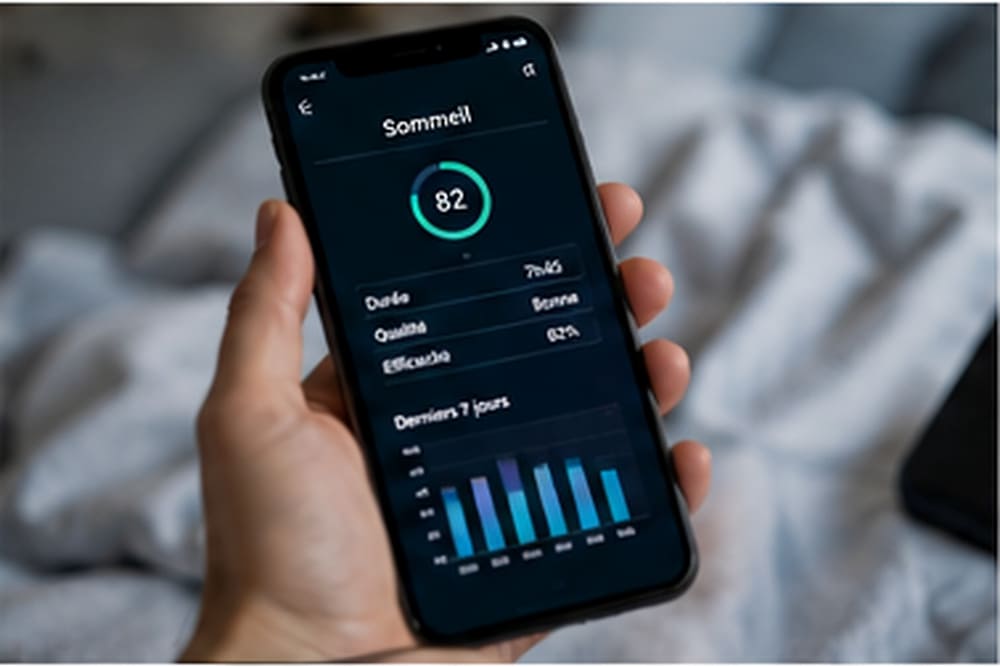
  • Sleep tracking and connected devices

    Sleep and chronobiology

    Sleep apnea: why universal screening is not recommended, and the signs to catch

    Thirty two percent of American adults may be affected, and yet the US prevention agency concludes that evidence is insufficient to screen the general population. That apparent contradiction says something important about the place of a practitioner facing a sleep breathing disorder.

    28 October 2026 · 5 min

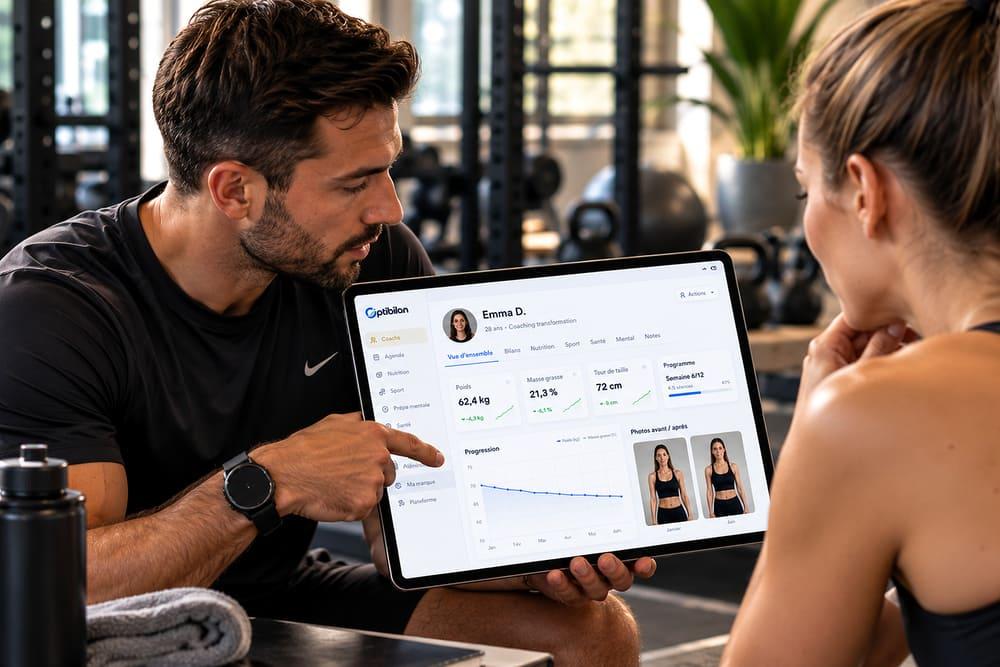
  • Functional assessment during coaching

    Physiology of ageing

    Menopause and bone density: which exercise actually works, and at what intensity

    Eighty trials, more than five thousand women: exercise acts on bone density after menopause, but the effect is modest and it depends entirely on the parameters chosen. Intensity, bone site, supervision and duration make the difference between a program that changes something and one that fills time.

    28 October 2026 · 5 min

  • Conversation between a practitioner and a client during a consultation

    Prevention and biomarkers

    Medical referral: which signals require handing over, and which do not

    Any non-physician practitioner knows the rule: refer when there is a warning sign. Nobody ever says which signs, or what they are worth. The data exist, and they surprise in both directions. Some signs taught everywhere have no validation, and over-referring also costs something.

    28 October 2026 · 5 min

  • First consultation, collecting basic information with a client

    Prevention and biomarkers

    First consultation questionnaire: which validated tools, and what they can do

    Most first consultations begin with a home-made questionnaire. Yet validated, free instruments exist, they take a few questions, and their sensitivity, specificity and gap with objective measurement are known. You still need to know which one rules out a disorder and which one quantifies nothing.

    28 October 2026 · 5 min

  • Blood tests and prevention markers

    Prevention and biomarkers

    Vitamin D: the claims the large trials allow, and the ones they do not

    Twenty-five thousand participants followed for five years, and no reduction in fractures in the general population. Yet the effect exists elsewhere, at a moderate daily dose and in people who are deficient. Here is what the trials really show, and what it changes in coaching.

    28 October 2026 · 5 min

  • Strength training with dumbbells

    Physiology of ageing

    Sarcopenia: data and practical levers to preserve muscle after 40

    Sarcopenia affects about one adult in six after 60, and muscle decline begins well before that. Prevalence, screening thresholds, strength and protein: what the studies allow us to state, and how to turn it into a measurable action plan.

    2 September 2026 · 7 min

  • Food and nutritional follow-up

    Nutrition

    Intermittent fasting: what the randomized trials actually found

    Intermittent fasting takes up growing space in conversations between patients and practitioners. A critical reading of the randomized trials: what weight loss, fasting glucose, tolerance, contraindications and the populations left out of studies really show.

    25 August 2026 · 5 min

  • A restorative night of sleep

    Sleep and chronobiology

    The glymphatic system: how sleep clears the brain

    The glymphatic system lets the brain remove part of its metabolic waste, mainly during deep slow-wave sleep. What current data show, the limits of animal models, the effects measured on cognition, and the practical levers for protecting sleep in adults.

    18 August 2026 · 5 min

  • A person running in nature

    Physiology of ageing

    Hormesis: the U-shaped curve of positive stress and its practical uses

    Hormesis describes the body's response to stress at an adjusted intensity, followed by a repair phase. Exercise, cold, sauna: quantified markers, identified limits and a hierarchy of evidence to support each person without promising the irreversible.

    11 August 2026 · 7 min

  • Structured health assessment with a practitioner

    Prevention and biomarkers

    Prevention blood panel: the useful markers and their limits

    A prevention blood panel starts with a standardized cardiometabolic base, is repeated under comparable conditions and avoids overinterpreted measurements. HbA1c, lipids, kidney function and blood pressure carry most of the clinical decision.

    21 July 2026 · 7 min

  • Tracking sleep and activity

    Sleep and chronobiology

    Chronobiology: how light and timing structure sleep

    Chronobiology describes a circadian rhythm set by daylight. A bright morning, a darkened evening, stable timing: what these markers change for alertness, sleep and glucose, including in night shift workers.

    14 July 2026 · 6 min

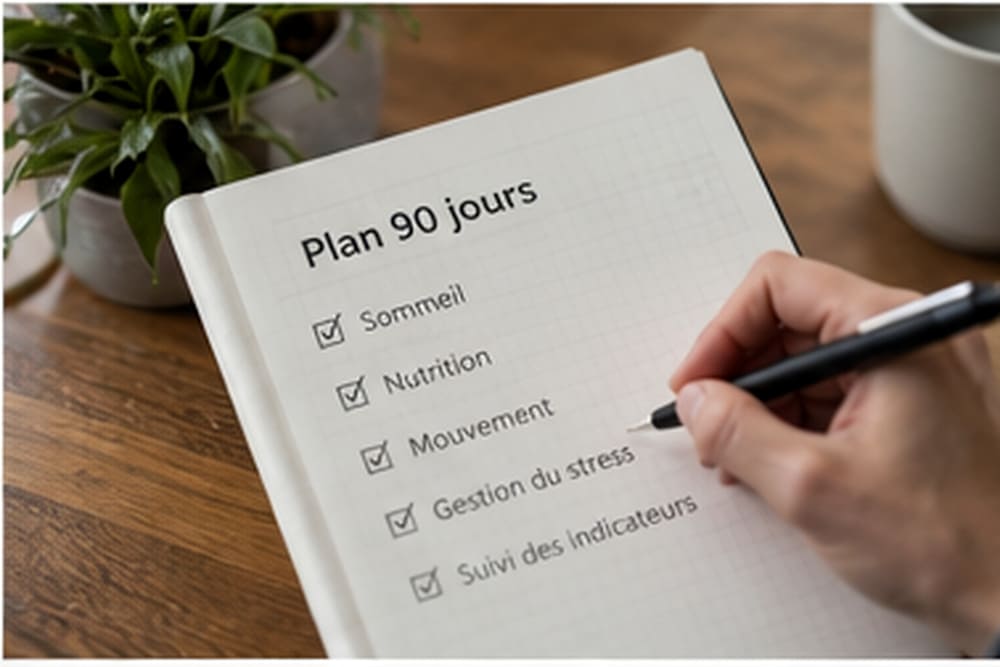
  • Training plan and 90-day goals

    Exercise and movement

    Longevity training program: zone 2, strength and intervals

    Longevity training combines three types of effort with distinct roles: zone 2 builds the aerobic base, strength work protects muscle mass, HIIT develops cardiorespiratory capacity. This guide gives doses, progression and safety thresholds to prescribe correctly.

    30 June 2026 · 8 min

  • Prevention consultation with a person being supported

    Prevention and biomarkers

    Epigenetic clocks: real usefulness and limits in practice

    Epigenetic clocks translate DNA methylation into a quantified biological age. For a health professional, they remain a promising research tool. This guide sets out what they measure, what they already allow, and what should not be expected of them in consultation.

    23 June 2026 · 5 min